



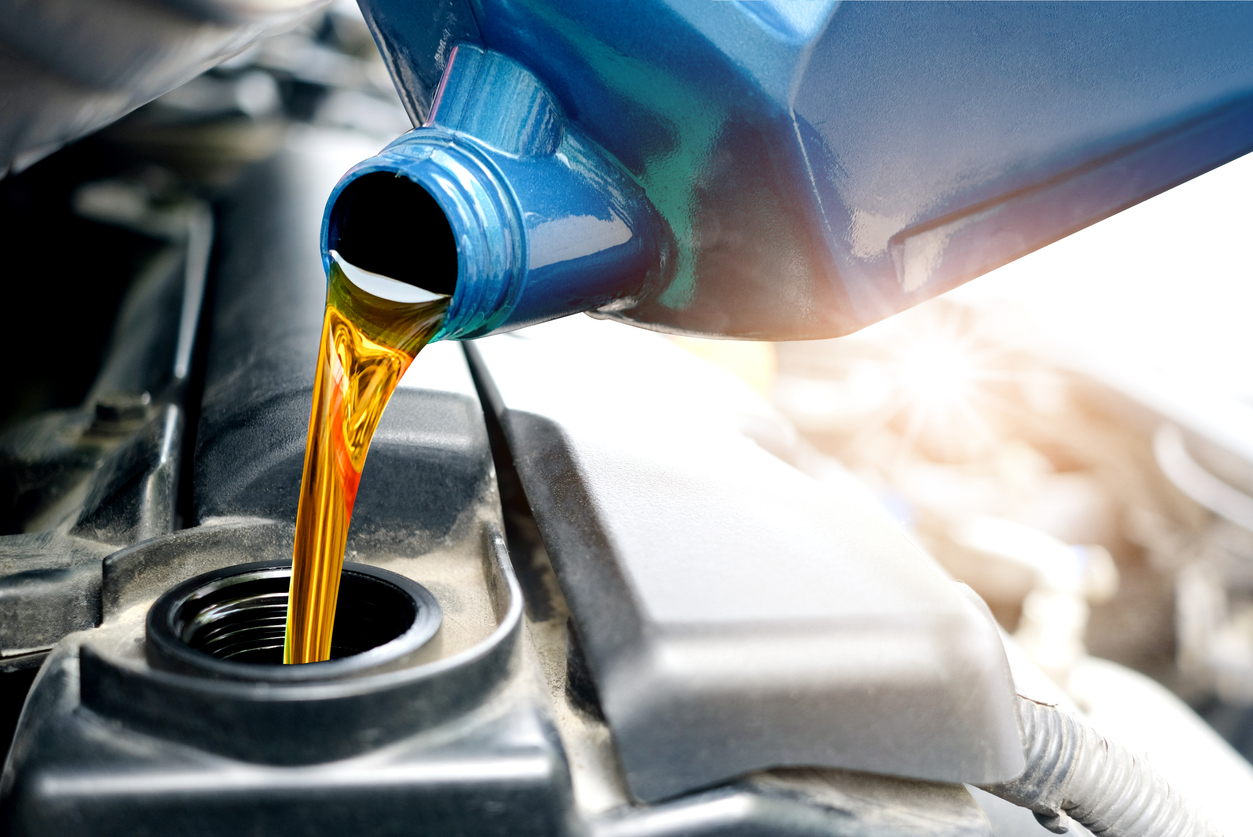
In Jamaica, many drivers focus on changing the engine oil or replacing brake pads, but several smaller components are just as important for keeping a vehicle safe and reliable. Paying attention to often-overlooked parts can prevent expensive repairs, improve fuel efficiency, and extend the lifespan of your car, especially when driving in tropical weather and varying road conditions.
Why preventive maintenance goes beyond oil changes
Routine car maintenance is much more than replacing fluids or installing new tires. Today's vehicles rely on dozens of electronic systems working together to manage engine performance, safety features, emissions, and driving comfort. Ignoring these components may not cause immediate problems, but over time small issues can develop into costly mechanical failures.
Preventive inspections help identify worn parts before they fail completely, reducing unexpected breakdowns and improving overall reliability.
The importance of vehicle sensors
Modern vehicles contain numerous vehicle sensors that continuously monitor different systems. Even a single faulty sensor can affect performance, increase fuel consumption, or trigger warning lights on the dashboard.
Some of the most important sensors include the oxygen sensor, which monitors exhaust gases and helps regulate the air-fuel mixture for better fuel economy and lower emissions. The mass airflow (MAF) sensor measures the amount of air entering the engine to ensure efficient combustion, while the manifold absolute pressure (MAP) sensor assists the engine control unit in calculating fuel delivery.
The crankshaft position sensor and camshaft position sensor synchronize engine timing, making them essential for proper ignition and smooth operation. The engine coolant temperature sensor monitors engine temperature and helps prevent overheating, while the knock sensor detects abnormal combustion that could damage internal engine components.
Many newer vehicles also feature wheel speed sensors for the ABS braking system, tire pressure monitoring system (TPMS) sensors, parking sensors, rain sensors, light sensors, steering angle sensors, yaw sensors, and battery monitoring sensors. Keeping these sensors clean and functioning correctly improves both safety and vehicle performance.
Don't overlook the electrical system
A healthy electrical system is essential because nearly every function in today's vehicles depends on electricity. The battery, alternator, and starter motor should be inspected regularly to ensure proper charging and reliable engine starts.
Other important electrical components include fuses, relays, wiring harnesses, ground connections, connectors, ignition coils, spark plugs, and the engine control module (ECU). Corrosion caused by humidity, loose electrical connections, or damaged wiring can create intermittent faults that are often difficult to diagnose.
Drivers should also inspect headlights, brake lights, turn signals, reverse lights, interior lighting, windshield wipers, and power windows to ensure every electrical accessory operates correctly.
Tire pressure is more important than many realize
Maintaining the correct tire pressure is one of the simplest yet most overlooked maintenance tasks. Underinflated tires create additional rolling resistance, increase fuel consumption, reduce handling performance, and wear out more quickly. Overinflated tires may reduce traction and create uneven tire wear.
Drivers should check tire pressure at least once a month and always before long trips. Remember to inspect the spare tire as well, since it is often forgotten until an emergency occurs.
Proper tire maintenance also includes checking tread depth, rotating tires at recommended intervals, balancing the wheels, and performing regular wheel alignments to maximize tire life.
Small components that deserve attention
Several inexpensive components play a major role in vehicle reliability. Air filters help protect the engine from dust and debris while maintaining proper airflow. Cabin air filters improve interior air quality and help the climate control system operate efficiently.
Other items that should be inspected include drive belts, serpentine belts, timing belts or timing chains, radiator hoses, vacuum hoses, coolant lines, fuel lines, brake fluid, coolant, transmission fluid, power steering fluid, and windshield washer fluid. Rubber components naturally deteriorate over time due to heat and humidity, making periodic inspections especially important.
Listening for unusual noises, such as squealing belts, clicking sounds, vibrations, or grinding, can also help detect problems before they become serious.
Protect your investment with regular inspections
Every vehicle represents a significant investment, and proper preventive maintenance helps protect that investment for years. Regular inspections of sensors, electrical components, tire pressure, fluids, hoses, belts, and filters reduce the likelihood of major repairs while improving safety and fuel efficiency.
For more maintenance guides, buying tips, and automotive advice, visit our blog. Have you ever experienced a breakdown caused by a small component that was overlooked? Share your experience in the comments, and explore our other articles for more expert tips on keeping your vehicle in excellent condition throughout Jamaica.
