

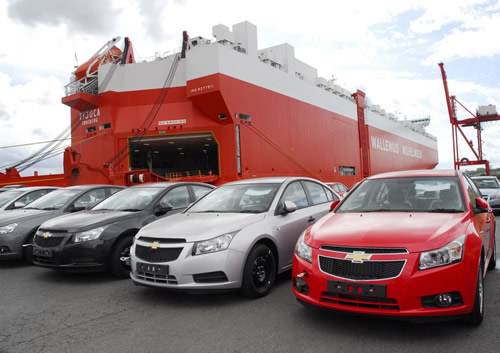
Importing and driving a car in Jamaica in 2025 means navigating a complex but evolving system of duties, taxes, and regulations — while recent policy changes are beginning to reshape the market. Understanding the real total cost, as well as the new rules, is essential whether you’re buying new, used, or importing a vehicle.
Import duties remain one of the biggest factors affecting car prices. For standard passenger cars, duties range depending on engine size: vehicles up to 1,500cc face a duty around 67–83% of CIF value (cost, insurance and freight), while larger engines or diesels can incur duties of 94–121%. For vehicles over 3,000cc the duty jumps dramatically, sometimes exceeding 288%. For pick-ups and smaller commercial vehicles, duty may be lower, but still substantial.
Beyond duty, imports are subject to a variety of taxes: the General Consumption Tax (GCT) at about 17.5%, other levies such as environmental surcharges, plus customs processing fees and handling charges — all calculated on top of CIF and duty. These combined often mean that a car imported to Jamaica ends up costing 60% to over 100% more than its purchase price abroad once fully cleared and registered.
In 2025 the Government introduced a significant reform to ease pressure on dealers: the upfront bond on import duties was slashed from 100% to just 20%, freeing capital for importers and potentially improving the availability — and competitiveness — of imported vehicles. For buyers, this could gradually translate into more affordable prices or better inventory selection.
For used vehicles, regulations remain strict: imports must meet age limits and the type and engine size determine duty rates. Importers must obtain a permit from the official trade authority before shipping, and upon arrival the vehicle must be cleared through customs and pass a safety inspection before registration.
What does this mean for someone planning to buy a car in Jamaica? If you consider buying overseas a compact car priced at US $10,000 and importing it: after adding duty (say 83%), GCT, levies, shipping and registration, your final cost could easily reach US $18,000–$20,000 or more. For larger SUV or diesel vehicles — or cars with larger engines — the final landed cost may nearly double the purchase price.
Despite these high costs, there are glimmers of change. The reduced bond for dealers may lead to more competition, more stock, and possibly slightly lower mark-ups. Also, for certain eligible categories (e.g. returning residents, special concessions) reduced duties may apply — though eligibility is limited and conditions strict.
Another trend: the importation of hybrid or electric vehicles has increased considerably, helped by special duty concessions introduced in recent years. That shift, while currently modest relative to total imports, reflects a growing awareness of fuel costs, environmental concerns, and long-term savings.
Still, ownership costs remain high. Beyond import and registration, fuel, insurance, maintenance and spare parts — many of them imported — add up. Depreciation can be steep, especially for high-cc or diesel vehicles. That’s partly why buyers often prefer smaller, fuel-efficient cars despite engine size duties.
In short, Jamaica’s auto market in 2025 is a high-cost but evolving one. High import duties and taxes dramatically inflate baseline car prices — but recent reforms, dealer incentives, and the growing interest in hybrids or EVs offer hopeful signs for increased accessibility. If you’re considering buying or importing a vehicle, it’s worth doing the math carefully, factoring in all taxes, duties and additional costs before you commit.
If you are looking for a new or used car, CarroCarros is the best platform to find it. We offer a wide range of vehicles, connecting buyers with trusted dealers and private sellers. Whether you need a fuel-efficient compact car or a luxury SUV, CarroCarros makes car shopping easy and affordable.
Have you imported a vehicle to Jamaica, or considered doing so? Share your experiences or questions in the comments below. For more insights and guides about buying and owning cars in Jamaica, check out our blog.